Uncovering the Secrets of the San Diego Natural History Museum: Top Exhibits and Visitor Tips
The San Diego Natural History Museum provides a diverse selection of displays that highlight the wonders of the natural world. Beginning with the fascinating "Fossil Mysteries" to the vibrant "Bird Halls," each gallery delivers remarkable discoveries. Families can enjoy engaging exhibits and live animal interactions. Still, exploring the museum's heritage and organizing a visit takes more than mere enthusiasm. What essential tips can enhance the experience for every visitor?
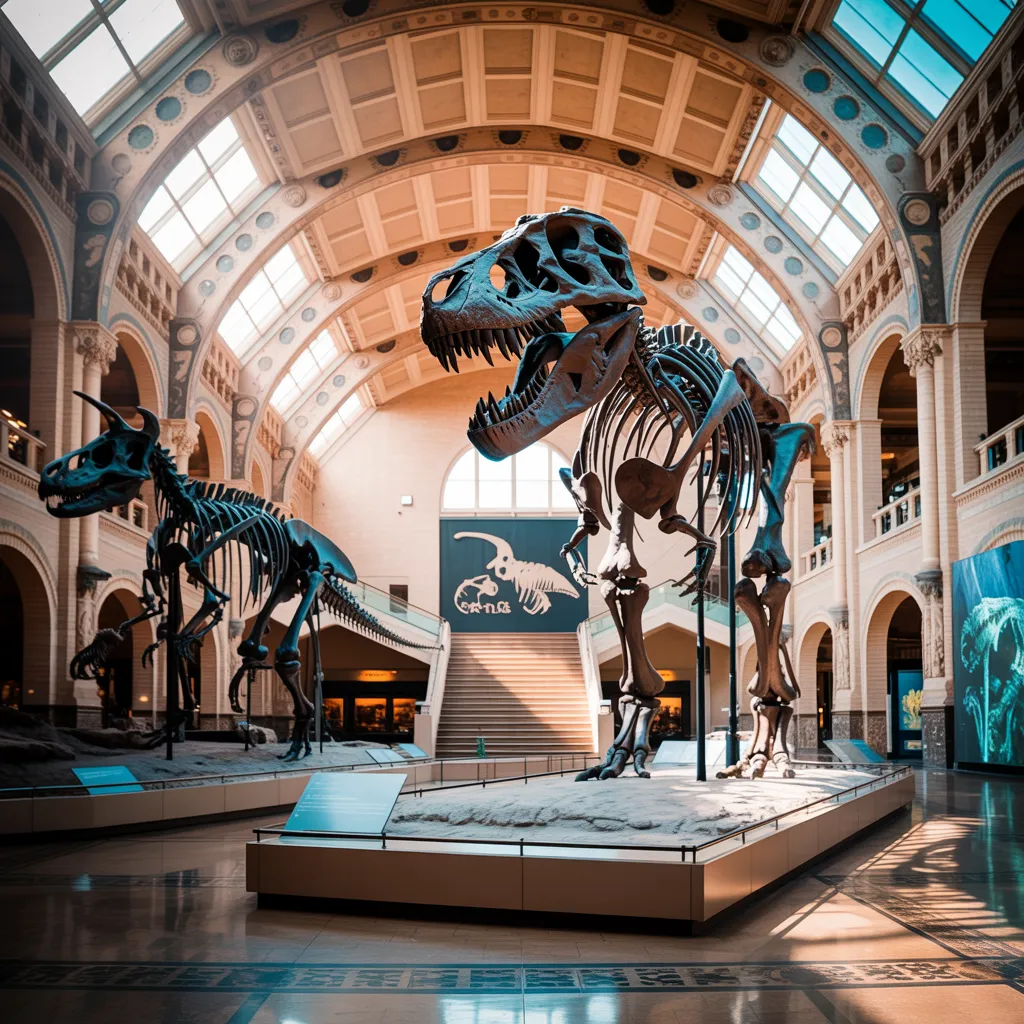
Top Exhibits to Explore at the San Diego Natural History Museum
The San Diego Natural History Museum features a captivating selection of exhibitions that celebrate the rich natural history of the area. A standout attraction is the "Fossil Mysteries" display, which highlights the history of life through remarkable fossil collections, captivating guests through interactive elements. A further highlight is the renowned "Bird Halls," where an extensive collection of avian specimens reflects the region's extraordinary natural diversity.
Additionally, the "Nature Lab" encourages interactive discovery, enabling guests to engage with live animals and participate in scientific activities. The "San Diego Ecosystems" exhibit delivers an immersive experience, highlighting various habitats and their remarkable flora and fauna.
To conclude, the "Pacific Island' exhibit highlights the enchanting marine life discovered in surrounding waters. Every exhibit offers an occasion for visitors to broaden their knowledge of the world of nature, making the museum a premier destination for wildlife enthusiasts.
Discover the Museum's Rich Captivating History
The San Diego Natural History Museum boasts a rich history that traces back to when it was founded in 1874. Over the years, it has seen remarkable milestones and growth, capturing the shifting interests in natural history. This narrative not only highlights the museum's evolution but also its contributions to the community and the safeguarding of the region's natural heritage.
Foundation and Early Beginnings
Founded in 1874, the San Diego Natural History Museum has a storied past that mirrors the city's changing bond with the natural world around it. First created as the San Diego Society of Natural History, the institution aimed to compile and protect specimens from the local area. Initial collections featured natural and geological artifacts, underscoring the ecological diversity of the region. The institution soon emerged as a hub for scientific research and education, fostering greater knowledge of Southern California's natural history. In its foundational period, it connected with the community via public lectures and curated exhibitions, cultivating a spirit of ecological responsibility. These early efforts set the stage for continued development, positioning the museum as a crucial institution devoted to honoring the natural legacy of San Diego and the surrounding region.
Key Milestones and Growth
As the San Diego Natural History Museum cemented its presence in the community, it reached important milestones that guided its evolution. Founded in 1874, the museum initially focused on local natural history, but its vision expanded over the decades. A major expansion occurred in 1933 with the construction of a new building, enhancing its capacity to showcase exhibits. In 2001, the museum advanced its modernization efforts through the incorporation of the state-of-the-art "Nature Lab" and a new entrance, enhancing the experience for visitors. The 2015 debut of the "Dinosaur Mysteries" exhibit represented another important milestone, drawing thousands of guests. These developments demonstrate the museum's dedication to education and conservation, establishing its standing as a cultural pillar in San Diego.
Fun Interactive Experiences for Families
The San Diego Natural History Museum offers a place where, families can engage in a number of interactive experiences that make learning enjoyable. Interactive science stations encourage children to discover scientific ideas, while specially designed guided tours deepen their understanding of exhibits. In addition, exciting live animal interactions offer lasting and enriching memories for guests of every age.
Interactive Science Stations
Guests attending the San Diego Natural History Museum will find a variety of hands-on science stations that deliver engaging and educational experiences for all ages. These engaging installations welcome children and adults alike to discover a range of scientific topics through tactile learning. From fossil digging to interactive displays showcasing local ecosystems, each station is designed to spark curiosity and encourage discovery. Participants can engage in activities that promote critical thinking and problem-solving skills, making the activity both entertaining and enlightening. Furthermore, many stations integrate modern technology, elevating the educational journey with interactive digital tools. Ultimately, these interactive science exhibits represent a vital part of the museum experience, creating memorable moments that foster a love for science and nature among families.
Guided Tours for Families
The guided tours offered at the San Diego Natural History Museum provide an excellent opportunity for families to deepen their understanding of the exhibits while enjoying an interactive experience. With the assistance of experienced and informed guides, these tours accommodate guests of every age group, nurturing a sense of wonder and involvement. Guides provide remarkable anecdotes and thoughtful perspectives as families venture through standout features like the fossil hall and regional biodiversity exhibits. Children are encouraged to ask questions and participate in discussions, enhancing their learning. Since tour times differ, families are encouraged to verify availability ahead of time and secure their spots when possible. Ultimately, these guided tours prove to be not just informative but also a charming and memorable way for families to strengthen their bonds through collective discovery.
Captivating Live Animal Experiences
Building on the enriching experience of guided tours, visitors to the San Diego Natural History Museum can take part in exciting live animal experiences that provide a unique, hands-on opportunity to connect with nature. Such interactive experiences permit families to watch and interact with diverse species, cultivating a deeper appreciation for wildlife. Expert educators direct participants through the sessions, offering fascinating insights about the animals and their natural habitats. Kids can touch, hold, or even feed several of the animals, creating unforgettable memories. These encounters are designed to be both educational and entertaining, making them an excellent choice for family excursions. By immersing themselves in these experiences, attendees leave with a more profound understanding of biodiversity and the conservation initiatives critical to the environment.
Upcoming Special Events and Programs at the Museum?
What distinctive offerings are available to visitors at the San Diego Natural History Museum? Currently, the museum hosts a variety of special events and programs designed to engage audiences of all ages. The "Night at the Museum" series encourages families to discover exhibits after hours, offering interactive activities and guided tours conducted by experienced staff. Additionally, the "Science on the Rocks" event offers adults an evening of cocktails, live music, and interactive science demonstrations.
For individuals looking to expand their knowledge of the natural world, the museum presents workshops focused on conservation and local wildlife. Seasonal programs, such as the captivating "Dino Days," delight younger visitors with entertaining and enriching activities built around paleontology. Furthermore, the museum regularly partners with local organizations for community-focused events, ensuring a diverse array of experiences. Such programs serve to broaden visitors' knowledge while nurturing a profound appreciation for nature.
Planning Your Visit: Access Hours and Accessibility Information
Organizing a trip to the San Diego Natural History Museum calls for awareness of the museum's hours and available accessibility features. The museum is usually open each day from 10 a.m. to 5 p.m., allowing ample time for guests to explore its extensive exhibits. It is advisable to check the official website for any seasonal variations or special event hours that may affect accessibility.
In terms of accessibility, the museum remains dedicated to welcoming all visitors. Wheelchair rentals are available, and the building is structured to be accessible for individuals with mobility challenges. Accessibility-friendly restrooms can be found across the museum, providing ease of access for all attendees. Moreover, service animals are allowed, enhancing the experience for visitors requiring assistance. By planning ahead and familiarizing themselves with these details, guests can secure a more enjoyable and seamless visit to this exceptional establishment.
Dining and Retail Options at the Museum
Those who visit the San Diego Natural History Museum will come across a range of shopping and dining opportunities that enrich their visit. The museum offers a café space offering a range of wholesome, locally inspired dishes, light refreshments, and drinks, making it a practical option for both families and individuals. Patrons can savor light fare while stepping away from the museum's exhibits.
Alongside the dining options, the museum's gift shop offers a range of distinctive souvenirs, enriching toys, and books dedicated to natural history. Guests can explore items that appeal to all ages, making it view resource an ideal place to select a souvenir or a special gift.
Insider Tips for a Memorable Museum Experience
How can visitors get the most out of their time at the San Diego Natural History Museum? Preparing in advance is key. Those attending should look into the museum's timetable for special events or guided tours that elevate the overall experience. Coming early enables a more relaxed discovery of sought-after exhibits, like the fossil gallery and live animal presentations.
Making use of the museum's mobile app delivers useful details, including maps and detailed information about each exhibit. Furthermore, taking advantage of interactive displays engages visitors of all ages.
A strategically timed midday break at the on-site café can replenish energy levels before diving back into the exhibits. Finally, participating in the museum's educational workshops or educational programs can enhance understanding and appreciation for the natural world. By applying these insider tips, guests can secure a rewarding and enriching trip to the San Diego Natural History Museum.
Commonly Asked Questions
Can Visitors Take Guided Tours at the Museum?
Guided tours are indeed available at the museum. These tours provide visitors with in-depth information about exhibits, elevating the entire museum experience and facilitating a more thorough exploration of the museum's extensive collections and displays.
Am I Allowed to Bring My Pet to the Museum?
Pets are not permitted inside the museum. Visitors are encouraged to make alternative arrangements for their animals to ensure a pleasant experience for everyone present and the exhibits throughout the venue.
Is Photography Allowed Inside the Exhibits?
Photography is commonly accepted inside the exhibits, but flash photography and tripods could be forbidden. Visitors are encouraged to check specific guidelines for each exhibit to verify compliance with museum policies regarding photography.
Are There Membership Options for Frequent Visitors?
The museum features various membership plans created for dedicated visitors, delivering benefits including unlimited admission, event discounts, and exclusive entry to special exhibits. Membership improves the overall experience for dedicated patrons.
What Safety Protocols Does the Museum Have in Place?
The museum enforces various protective measures, including regular sanitation of high-contact surfaces, obligatory face masks, social distancing protocols, and visitor capacity limits to maintain a safe environment for all visitors and staff during their museum experience.